
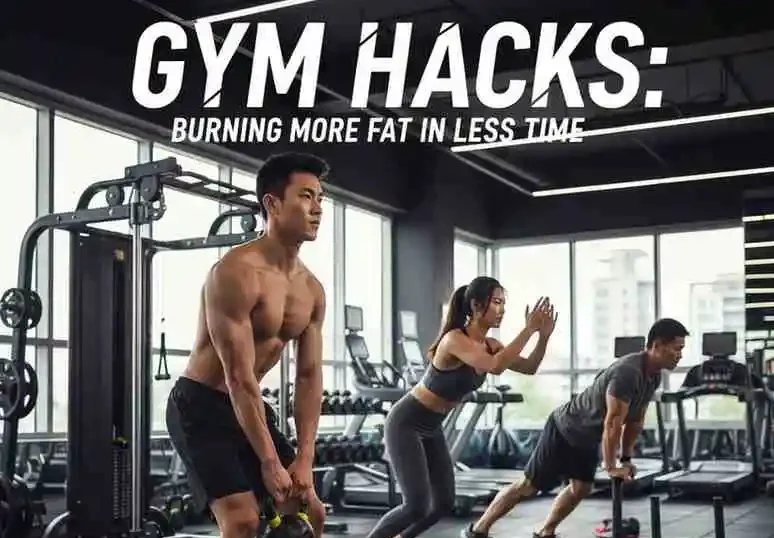
High-Intensity Interval Training (HIIT) has become one of the most popular fitness trends in the world—and for good reason. It’s fast, efficient, and burns an impressive number of calories in a short amount of time. However, many people believe that to do HIIT properly, you need access to a treadmill or a fancy gym setup. The truth? You don’t.
At PenguinFitness, we believe that fitness should be accessible to everyone, no matter where you are or what equipment you have. Whether you’re working out at home, in a park, or even in your living room, you can still enjoy all the benefits of HIIT without a treadmill. In this guide, we’ll show you exactly how to do it.
HIIT stands for High-Intensity Interval Training. It involves short bursts of intense exercise followed by brief recovery periods. This on-and-off approach keeps your heart rate up, helping you burn fat, improve endurance, and build strength faster than steady-state cardio.
For example, instead of jogging for 30 minutes, you might do 30 seconds of all-out effort followed by 30 seconds of rest, repeated for several rounds. The result? You burn more calories in less time, and your body continues to burn fat even after you finish your workout—this is known as the afterburn effect.
Some of the main benefits of HIIT include:
Improved cardiovascular health
Increased calorie burn
Better endurance and stamina
Time efficiency
No need for expensive gym equipment
Many people associate HIIT with sprinting on a treadmill, but that’s just one option. The principle behind HIIT is effort, not equipment. You can easily raise your heart rate using bodyweight exercises, outdoor spaces, or simple fitness tools like skipping ropes, resistance bands, or kettlebells.
Treadmills can be great, but they’re not essential. HIIT is about intensity and movement. If you can move your body, you can do HIIT.
Before diving into high-intensity intervals, it’s crucial to warm up properly. Warming up prepares your muscles, increases blood flow, and reduces the risk of injury. Spend at least 5–10 minutes on dynamic movements like:
Arm circles
Leg swings
Jumping jacks
Bodyweight squats
Lunges
Light jogging in place
Once you feel your heart rate rising slightly and your muscles are warm, you’re ready to go.
Here are some of the best exercises you can use to build a treadmill-free HIIT workout. You can mix and match them to create a routine that fits your fitness level and available space.
This explosive move strengthens your legs and glutes while boosting your heart rate.
Stand with feet shoulder-width apart.
Lower into a squat and then jump as high as possible.
Land softly and go straight into the next rep.
30 seconds on, 30 seconds rest.
A classic full-body HIIT exercise that targets almost every muscle group.
Start standing, then drop into a squat position.
Place your hands on the floor and kick your feet back into a plank.
Do a push-up (optional), jump your feet forward, and leap up.
Repeat for 30–40 seconds.
Perfect for building core strength and improving endurance.
Start in a plank position.
Quickly drive one knee towards your chest, then switch legs.
Keep alternating as fast as possible.
40 seconds on, 20 seconds off.
A simple but powerful cardio move.
Run in place while lifting your knees up to waist height.
Pump your arms to keep momentum.
30 seconds on, 30 seconds rest.
Great for legs, balance, and coordination.
Step into a lunge position.
Jump up and switch legs mid-air.
Land softly and repeat.
20–30 seconds on, 30 seconds off.
A fun way to get your heart pumping while working your core.
Begin in a plank position.
Jump your feet out wide, then back together—like a horizontal jumping jack.
Keep your core tight throughout.
30 seconds on, 20 seconds off.
If you have a skipping rope, it’s an excellent replacement for treadmill cardio.
Skip as fast as you can for 45 seconds.
Rest for 15 seconds.
Repeat for 5–10 rounds.
Jumping jacks – 30 seconds
Rest – 30 seconds
Bodyweight squats – 30 seconds
Rest – 30 seconds
Mountain climbers – 30 seconds
Rest – 30 seconds
High knees – 30 seconds
Rest – 1 minute
Repeat 3–4 times.
Burpees – 40 seconds
Jump squats – 30 seconds
Mountain climbers – 40 seconds
Plank jacks – 30 seconds
Jumping lunges – 30 seconds
Rest – 60 seconds
Repeat 4–5 times.
Burpees – 45 seconds
Jump lunges – 40 seconds
High knees – 45 seconds
Plank jacks – 40 seconds
Jump squats – 45 seconds
Rest – 30 seconds
Repeat 5–6 times.
HIIT is very effective, but it’s also demanding on your body. Most fitness experts recommend doing HIIT 2–4 times per week, depending on your fitness level and recovery. On non-HIIT days, you can focus on strength training, yoga, or low-intensity cardio like walking or cycling.
Remember, rest and recovery are just as important as your workouts. Overtraining can lead to fatigue and injury, so listen to your body.
Focus on intensity – The key to HIIT is giving your maximum effort during the work phase.
Track your progress – Time your intervals and monitor improvements over time.
Stay hydrated – You’ll sweat a lot, so drink plenty of water before and after.
Maintain good form – It’s better to do fewer reps correctly than more with poor technique.
Cool down after – Spend 5–10 minutes stretching to aid recovery.
Fuel your body with balanced nutrition to support your HIIT workouts. Eat a combination of lean proteins, complex carbohydrates, and healthy fats. Some quick tips:
Have a light meal or snack 1–2 hours before training.
Refuel with protein after your workout to help muscle recovery.
Avoid heavy, greasy meals before high-intensity exercise.
At PenguinFitness, we always remind our clients that fitness is 70% nutrition and 30% exercise. You can’t out-train a bad diet.
At PenguinFitness, we specialise in helping people achieve their fitness goals in realistic, sustainable ways. Whether you’re training at home or outdoors, our coaches provide personalised HIIT plans, nutritional guidance, and progress tracking that fits your lifestyle.
We believe fitness should be fun, flexible, and effective—no treadmill required. If you’re ready to take your HIIT training to the next level, get in touch with our team today.
You don’t need a treadmill—or a gym membership—to experience the incredible benefits of HIIT. With just your bodyweight, some space, and a bit of motivation, you can burn fat, build strength, and improve your fitness anywhere.
WhatsApp us
Aw, this was a very nice post. In thought I wish to put in writing like this moreover – taking time and precise effort to make an excellent article… however what can I say… I procrastinate alot and in no way appear to get something done.
You made some first rate factors there. I appeared on the internet for the problem and located most people will go along with with your website.