
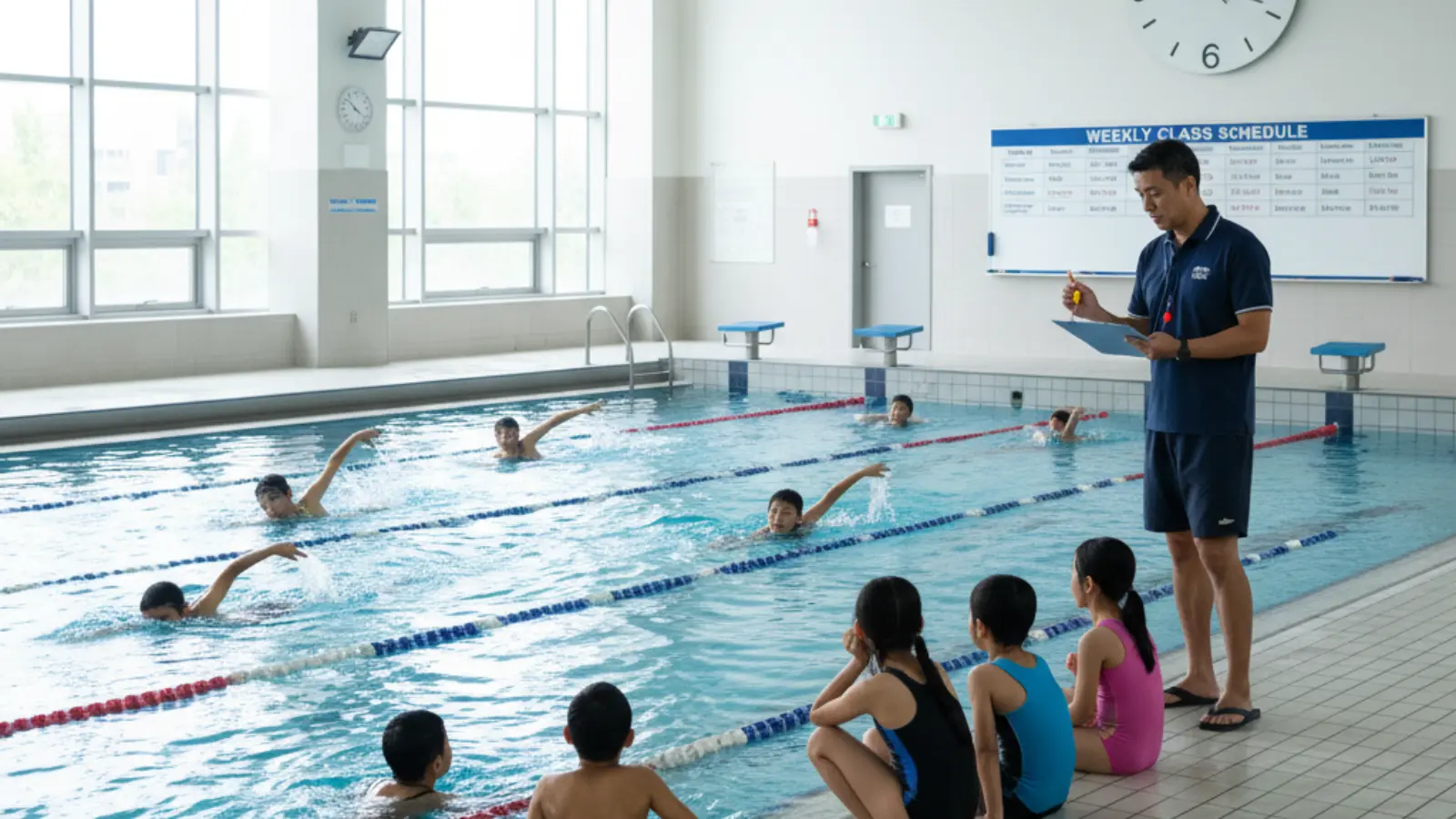
Frequency vs Duration: Best Swim Class Schedule
Swimming is one of the most effective ways to stay fit. It strengthens the whole body, improves endurance, and is gentle on the joints. Whether you’re swimming for fitness, learning for the first time, or training for competition, one key question always comes up:
What’s more important—how often you swim, or how long each session lasts?
At Penguin Fitness, we often hear this question from swimmers of all levels. The answer depends on your goals, your fitness level, and how you like to train. In this guide, we’ll break down the differences between frequency and duration, and help you discover the best swim class schedule for you.
Why Your Swim Class Schedule Matters
It’s easy to assume that simply spending more time in the pool will bring faster results. But like all types of exercise, swimming requires balance. Training too long in one session can lead to fatigue and poor form. On the other hand, swimming too infrequently may not give your body enough practice to improve technique.
Your schedule matters because it directly affects:
Skill development: Consistency helps you master technique.
Endurance: Longer sessions help build stamina.
Recovery: Rest between swims allows your body to get stronger.
Motivation: A routine you enjoy is easier to stick with.
At Penguin Fitness, we design swimming programmes that combine the right frequency and duration for lasting progress.
The Case for Frequency: Why Swimming More Often Helps
Training more frequently—even if sessions are shorter—can be extremely effective, especially for beginners and those improving technique.
Benefits of frequent swim classes:
Builds muscle memory by practising movements regularly.
Reduces fatigue by spreading training across the week.
Helps you stay motivated and consistent.
Encourages better recovery as sessions are not overly long.
Best for:
Beginners learning the basics.
Swimmers focusing on stroke technique.
Busy people who prefer shorter sessions.
For example, three 30-minute swim classes per week may be better for a new swimmer than one 90-minute session. Frequent practice allows the brain and body to absorb skills more effectively.
The Case for Duration: Why Longer Swim Sessions Work
Longer sessions, when done safely, allow swimmers to build stamina and mental toughness. Endurance training often requires more time in the pool.
Benefits of longer swim classes:
Improves cardiovascular fitness and stamina.
Provides enough time for warm-up, drills, and distance sets.
Builds discipline and mental strength for long swims.
Best for:
Intermediate and advanced swimmers.
Triathletes and endurance athletes.
Those training for competitions or long-distance swimming.
For instance, a swimmer preparing for a triathlon might do two sessions per week, each lasting 60–75 minutes, focusing on both distance and technique.
Frequency vs Duration: Which Is Better?
The truth is, both frequency and duration matter. The ideal schedule depends on your swimming level and goals:
Beginners: More frequent, shorter classes. Focus on technique.
Intermediate swimmers: A mix of frequency and longer sessions.
Advanced swimmers: Fewer sessions may work, but each one should be longer and more intense.
Think of it this way:
Frequency builds skill.
Duration builds endurance.
The best results often come from combining both.
Factors to Consider When Choosing Your Schedule
When creating your swim class plan, consider the following:
Your Goals
Learning to swim? Go for more frequent, shorter sessions.
Training for fitness? Aim for balanced sessions.
Competing in endurance swimming? Longer sessions are key.
Your Fitness Level
Beginners may tire quickly, so frequent shorter swims work best.
Experienced swimmers can handle longer, tougher sessions.
Time Availability
Busy lifestyle? Three short sessions may be easier to manage.
Flexible schedule? Longer swims might suit you better.
Recovery Needs
Listen to your body. Overtraining leads to injuries and burnout.
Sample Swim Class Schedules
Here are examples of how different swimmers might balance frequency and duration:
Beginner Swimmer
3 classes per week
30–40 minutes each
Focus: floating, kicking, breathing, and stroke basics
Fitness Swimmer
2–3 classes per week
45–60 minutes each
Mix of technique drills and steady swimming
Competitive Swimmer or Triathlete
4–5 sessions per week
60–90 minutes each
Interval training, endurance sets, and technique refinement
At Penguin Fitness, we customise these plans to match your exact needs.
Tips for Finding the Right Balance
Start small and build up: Increase session length gradually.
Track your progress: Use a swim watch or logbook to record distance and time.
Mix it up: Combine technique-focused short swims with endurance-focused long ones.
Listen to your body: Tiredness, soreness, or loss of motivation are signs you may need rest.
Common Mistakes to Avoid
Swimming too long too soon: Leads to poor form and injuries.
Inconsistent schedule: Skipping weeks slows progress.
Focusing only on distance: Neglecting technique reduces efficiency.
Ignoring recovery: Rest is when your body adapts and improves.
Final Thoughts
When it comes to swimming, there’s no one-size-fits-all answer to the “frequency vs duration” debate. Both play an important role in helping you progress.
Beginners should focus on frequent, shorter sessions to learn skills.
Intermediate swimmers need a balance of both.
Advanced athletes benefit from longer, structured sessions.
At Penguin Fitness, our experienced instructors help swimmers of all levels find the perfect schedule. Whether your goal is to build confidence, improve fitness, or prepare for competition, we’ll design a plan that works for you.