
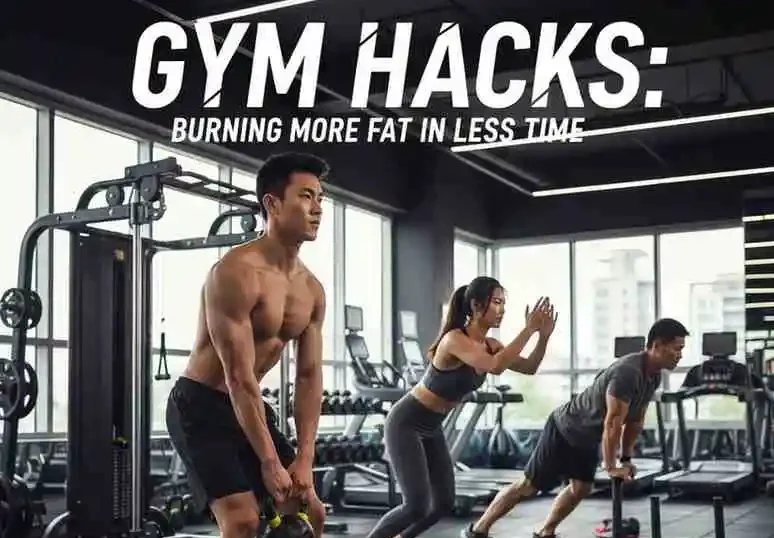
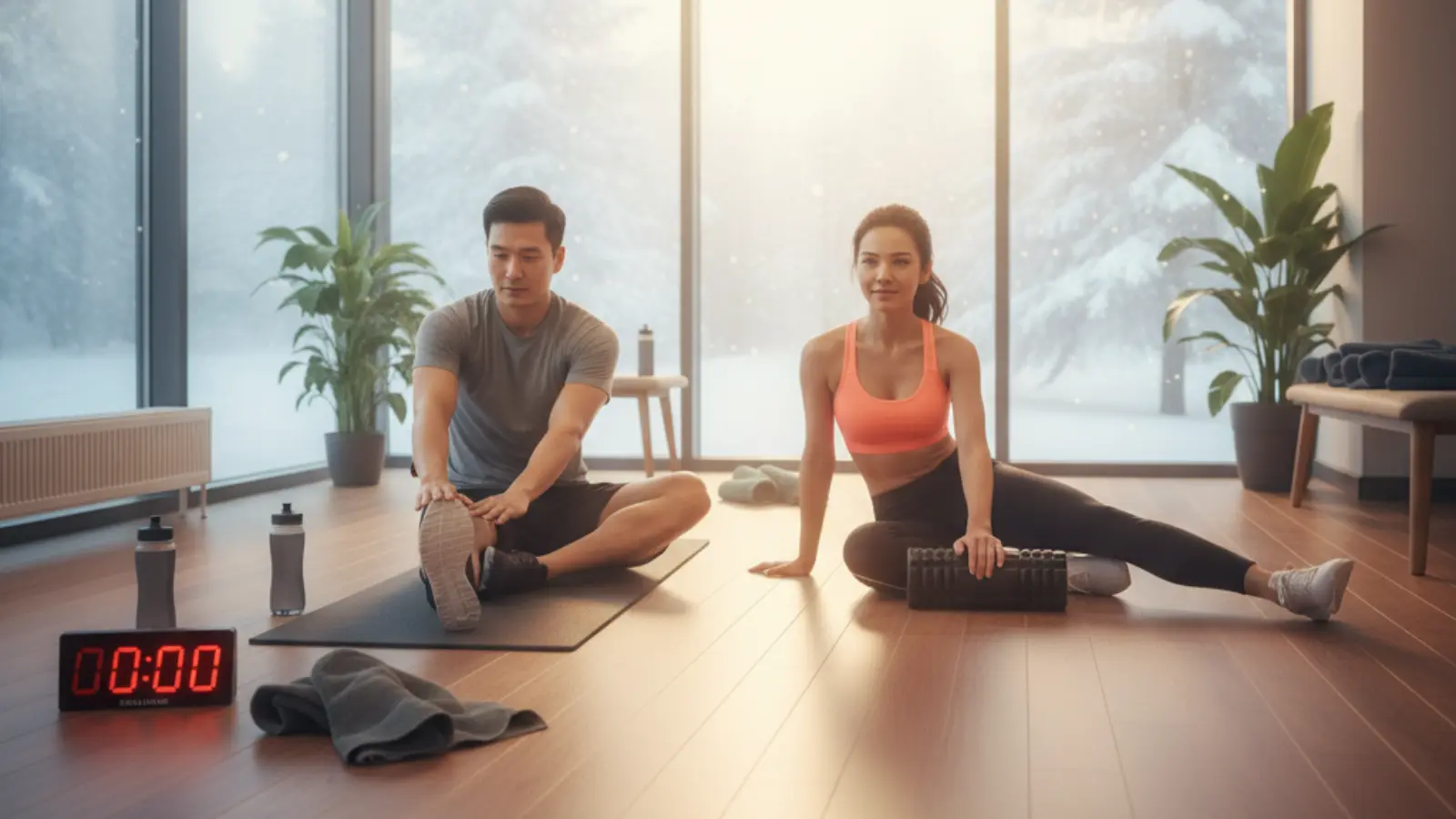
High-Intensity Interval Training (HIIT) has become one of the most popular workout styles in the world—and for good reason. It burns calories quickly, improves stamina, boosts metabolism, and delivers big results in a short amount of time. At Penguin Fitness, many of our members love HIIT because it’s fast, exciting, and incredibly effective.
But here’s the truth:
What you do after your HIIT session is just as important as the workout itself.
HIIT pushes your body to its limits. Your heart rate rises, your muscles fatigue, and your energy reserves drop. Without proper recovery, you may feel sore, tired, and less motivated to train again. Worse, poor recovery can lead to injuries, slowed progress, and long-term burnout.
In this blog, we’ll guide you through the best recovery methods after a HIIT workout so that your body stays strong, healthy, and ready for your next session. Whether you’re a beginner or a regular HIIT lover at Penguin Fitness, these tips will help you recover smarter and faster.
Many people finish their last HIIT round and immediately stop moving. This is a mistake. Your heart rate is at its peak during HIIT, and stopping suddenly can make you feel dizzy or light-headed.
A proper cool down helps your body transition safely back to a resting state.
Slow walking for 2–3 minutes
Gentle stretching focusing on legs, hips, back, and shoulders
Controlled breathing to relax your muscles
Light mobility exercises
Cooling down also lowers lactic acid build-up, which helps reduce muscle stiffness the next day.
You sweat a lot during a HIIT session, especially in a warm indoor environment. Sweating leads to fluid loss, and dehydration slows down recovery.
Water (best for most people)
Electrolyte drinks if your session was very intense or lasted longer than 30 minutes
Coconut water as a natural hydration option
Avoid sugary drinks—they cause energy crashes later.
Hydration helps:
Regulate body temperature
Reduce muscle cramps
Improve blood flow
Support your recovery process
Aim to drink at least 500–700ml of water after your workout.
After HIIT, your body needs nutrients to repair muscles and restore energy.
This window helps your body absorb nutrients more efficiently.
Helps rebuild muscle tissue.
Chicken
Eggs
Greek yoghurt
Protein shakes
Tofu
Restores your energy levels.
Rice
Oats
Sweet potatoes
Whole-grain bread
Fruit
Supports overall recovery.
Avocado
Nuts and seeds
Olive oil
Example post-workout meals:
Protein shake with banana
Chicken and brown rice bowl
Greek yoghurt with berries and honey
Whole-grain toast with eggs
Nutrition is one of the most important aspects of recovery—don’t skip it!
HIIT puts a lot of pressure on your muscles, especially your legs, glutes, and core. Stretching after your session helps improve flexibility, reduce soreness, and prevent injuries.
Hamstrings
Quadriceps
Glutes
Calves
Lower back
Hip flexors
Shoulders
Hold each stretch for 20–30 seconds
Avoid bouncing
Focus on slow breathing
Stop if you feel sharp pain
Penguin Fitness trainers always recommend including a short stretching routine after every HIIT session.
Heat helps relax tight muscles and increase blood circulation. A warm shower is great, but if you want deeper recovery, try a warm bath with Epsom salt. Magnesium from the salt helps reduce inflammation and muscle soreness.
Warm therapy benefits:
Eases tension
Increases relaxation
Supports faster healing
Just avoid extremely hot water—it can dehydrate you further.
Not all soreness is the same. You should understand the difference between normal fatigue and injury warning signs.
Mild muscle soreness
Feeling tired
Heavy legs
Slight stiffness
Sharp or sudden pain
Swelling
Inability to move properly
Pain that worsens with rest
If something feels wrong, take a break or speak to a trainer at Penguin Fitness for guidance.
Sleep is the most powerful recovery tool you have.
During deep sleep, your body:
Repairs muscle fibres
Regulates hormones
Reduces inflammation
Restores energy
Strengthens your immune system
Aim for 7–9 hours of quality sleep every night. If you struggle to sleep after a late workout, try:
Drinking warm herbal tea
Stretching before bed
Limiting screen time
Keeping your room cool
A well-rested body performs better during your next HIIT session.
The day after an intense HIIT workout shouldn’t always be a rest day. Active recovery helps reduce soreness and keeps your muscles loose.
Good active recovery options include:
Light walking
Yoga
Cycling at an easy pace
Gentle swimming
Stretching and mobility exercises
The goal is to move without pushing your limits.
Foam rolling—also known as self-myofascial release—helps release muscle knots and tension.
Improves flexibility
Reduces stiffness
Boosts circulation
Speeds up recovery
Focus on:
Quads
IT band
Glutes
Back
Hamstrings
Roll each muscle slowly for 20–30 seconds.
HIIT is powerful, but doing it too often can strain your body. Your muscles need time to heal.
Beginners: 2 sessions per week
Intermediate: 3 sessions per week
Advanced athletes: 4, maximum 5 sessions per week
Always give your body 24–48 hours to recover between intense HIIT workouts.
At Penguin Fitness, our trainers design balanced programmes to avoid burnout and maximise results safely.
Some people find supplements useful, but they are not essential.
Helpful options include:
Protein powder
BCAAs
Creatine
Magnesium for muscle relaxation
Always follow proper dosage and consult a professional if you’re unsure.
When you feel tired after HIIT, it’s easy to lose motivation. These tips help keep you consistent:
Set small weekly goals
Track your progress
Celebrate improvements
Join HIIT classes at Penguin Fitness for group motivation
Switch up your routine regularly
Remember, recovery doesn’t slow you down—it pushes you forward.
Recovering properly after a HIIT session is essential for staying healthy, strong, and injury-free. From cooling down and hydrating to stretching, sleeping well, and avoiding overtraining, every step supports your overall fitness journey.
At Penguin Fitness, we focus not just on training hard, but also on training smart. Good recovery helps your muscles grow, improves performance, and keeps you motivated to continue your HIIT journey. So next time you push yourself through an intense session, follow these recovery tips and let your body recharge the right way.
WhatsApp us