

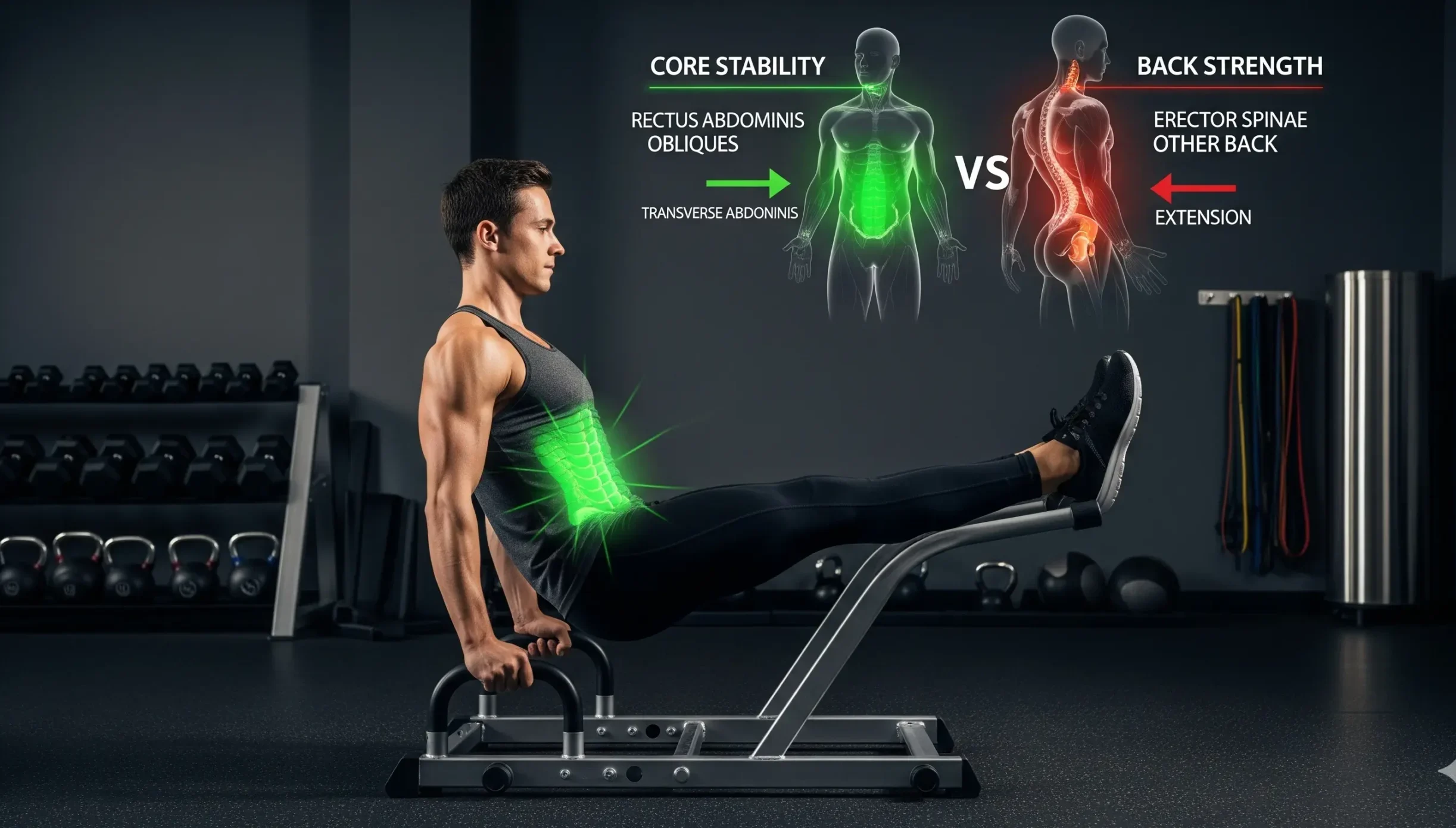
At Penguin Fitness, we believe that true strength starts from within. Many people think of strength as how much weight they can lift or how defined their muscles look, but real functional strength comes from your core. Your core isn’t just about six-pack abs – it’s the powerhouse of your body, supporting almost every move you make.
For many people, their back ends up doing more work than their core, which can lead to poor posture, aches, and even injuries. By learning how to strengthen your core properly, you can relieve pressure from your back, improve stability, and move more efficiently in your everyday life.
In this guide, we’ll explain why your core is more important than you might think, how to make it stronger than your back, and the best exercises to build lasting strength.
Your back muscles are important, but they are often overused when your core is weak. When you bend, lift, or even sit for long periods, your back can take the strain if your core isn’t pulling its weight.
A strong core helps to:
Protect your spine and reduce the risk of injury.
Improve posture, making you stand taller and feel more confident.
Enhance balance and stability, which benefits sports and daily activities.
Support breathing, since core muscles are linked with the diaphragm.
In contrast, relying too much on your back muscles can lead to tightness, discomfort, or even long-term problems like herniated discs. That’s why building a stronger core is not just about looking fit – it’s about creating a healthier, pain-free body.
When people hear “core,” they often picture abs. But your core is much more than that. It includes:
Rectus abdominis (your “six-pack” muscle)
Transverse abdominis (deep stabilising muscle)
Obliques (side muscles that twist and bend)
Pelvic floor muscles
Diaphragm
Lower back stabilisers
Your back muscles, on the other hand, are mainly the erector spinae, lats, and traps. These are strong, but they’re meant to support movement rather than carry the burden of stabilisation.
If your core is weak, your back has to compensate – which is why people often feel sore after doing activities like lifting boxes, sitting at a desk, or even standing for too long.
You might not even realise your back is overworking compared to your core. Some common signs include:
Back pain after sitting, standing, or lifting.
Poor posture, such as slouching shoulders or an arched lower back.
Struggling to hold a plank position.
Feeling your lower back strain during ab exercises.
Tight hip flexors and hamstrings.
If this sounds familiar, it’s time to start focusing on building your core strength.
Believe it or not, core strength starts with breathing. Practise diaphragmatic breathing, where you expand your belly as you inhale instead of lifting your chest. This activates your deep core muscles and helps build a stable foundation.
Before jumping into advanced core workouts, nail the basics:
Plank holds – Keep your body straight, engage your abs, and avoid arching your back.
Dead bugs – Lie on your back, arms up, and slowly extend opposite arm and leg while keeping your back flat on the floor.
Glute bridges – Strengthen your core and glutes while supporting your lower back.
These exercises teach your body to use the core correctly instead of relying on your back.
Your core isn’t just about crunches. To build a strong, balanced core, train it to resist movement, twist, bend, and stabilise:
Anti-extension (planks, ab rollouts)
Anti-rotation (Pallof press, side planks)
Rotation (Russian twists, cable woodchops)
Lateral stability (farmer’s carries, side bends)
Good posture is a sign of a strong core. Practise standing tall with your shoulders relaxed, chin tucked, and pelvis neutral. Strengthening the core will naturally improve posture, but being mindful throughout the day reinforces progress.
Don’t ignore your back completely – the goal is balance. Pair core exercises with back stretches and mobility work. Try:
Cat-cow stretch for flexibility
Child’s pose for relaxation
Seated spinal twist for mobility
This way, your back stays healthy while your core becomes the powerhouse.
Incorporate exercises that mimic real-life movements. Squats, lunges, and carries all engage the core. By training functionally, you teach your body to use the core during everyday activities – reducing the load on your back.
Here’s a simple routine you can follow 3 times a week:
This plan strengthens the deep and surface muscles of your core while keeping your back safe.
Stay active – Avoid sitting for long hours without breaks.
Maintain a healthy weight – Extra belly fat can place strain on your back.
Eat a balanced diet – Protein, fibre, and hydration help with muscle function.
Rest and recover – Muscles grow stronger when they have time to repair.
At Penguin Fitness, we believe that building a strong core is one of the smartest fitness goals you can have. When your core is stronger than your back, you’ll notice less pain, more energy, and greater stability in everything you do – from working out to carrying shopping bags.
Strengthening your core isn’t about endless sit-ups; it’s about training your body to move better, feel better, and live better. Start small, be consistent, and over time your core will take the pressure off your back – creating a healthier, stronger you.
WhatsApp us